

Humans + AI: connecting three dots in marketing
How we put AI to work, where a brand starts and what the customer receives belong in the same conversation about marketing.
Summary Points
- Connect the task, the team's starting point and customer preferences and behaviours before choosing how to use AI.
- A harness brings together tools, context, prompts and the right model for the task.
- Different teams and tasks can have different AI starting points.
- Humans set the standards and approve every action. Useful content needs evidence and editorial judgement.
Reading time: 5 minutes
Over the last few months, we have been working with clients on proofs of concept to work out where AI can be most useful in marketing.
Alongside that work, I had been writing about context, model choice and Intelligence + Tradecraft. These ideas are coming together in how we are building Aurum AI Labs around people + AI.
The aim is to reduce repetitive work so marketing teams can focus on their goals. Through the proofs of concept, we are exploring where people + AI can make a measurable difference.
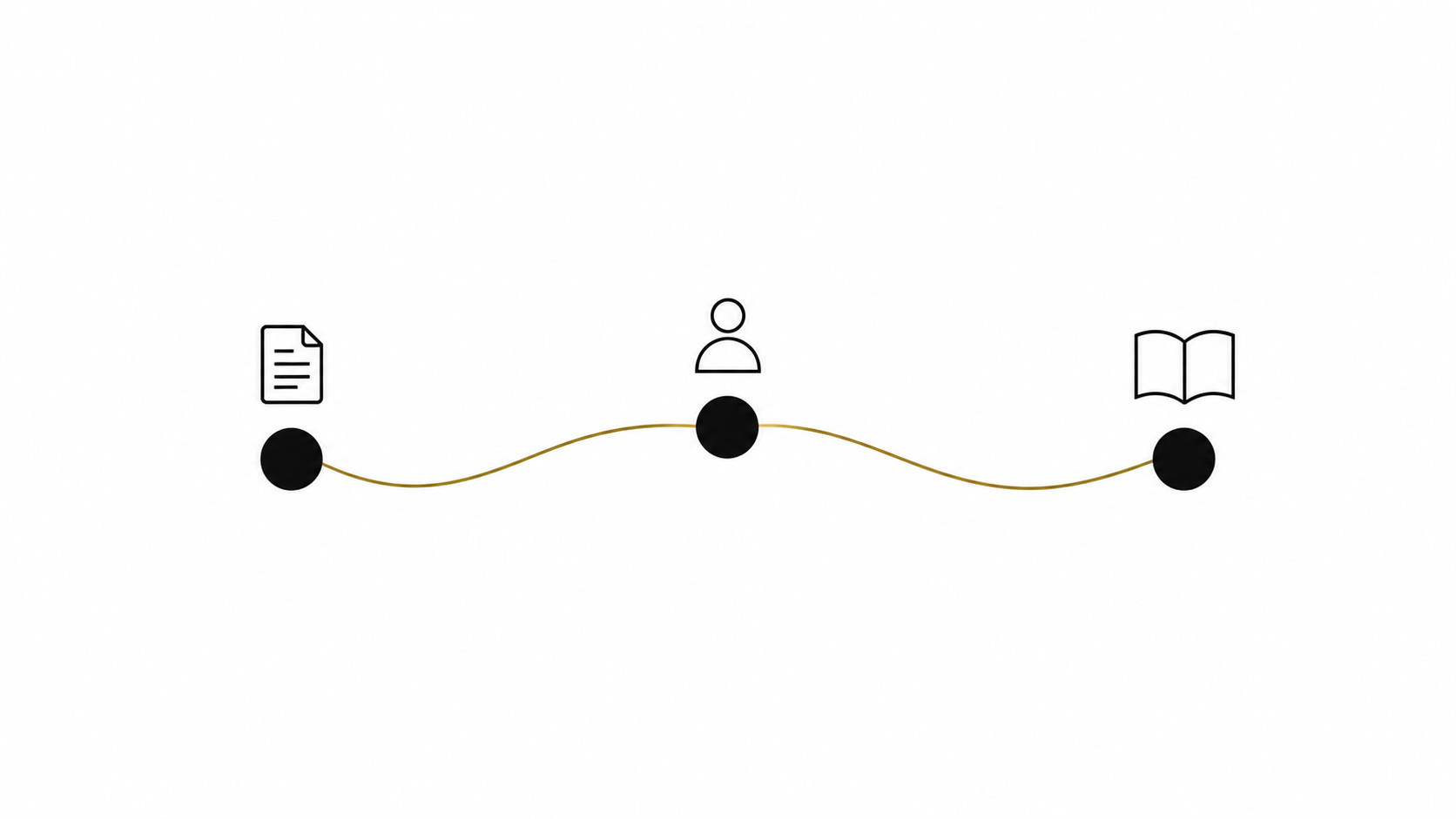
Three dots connect that thinking:
- How we put AI to work.
- Where brands are in their use of AI.
- How AI affects marketing and the consumer experience.
How we put AI to work
A request such as "write a product comparison" leaves several questions open:
- Who is reading it, and what are they trying to decide?
- Which product facts and claims can we support?
- What does the brand need the writer to understand?
- Who will review the work and approve the next action?
The prompt describes the task. Context supplies the information needed to do it properly.
That was the focus of Maintaining Context in Long AI Builds. In marketing, context includes the audience, approved claims, brand standards and decisions already made. Someone has to keep it current.
Model choice matters too. The useful test is how well a model handles the actual task, with the inputs and checks the team will use. I explored that in Not All Models Are Built for Your Task. Models change, so the choice needs testing as the work changes.
Moving from a prompt to a workflow
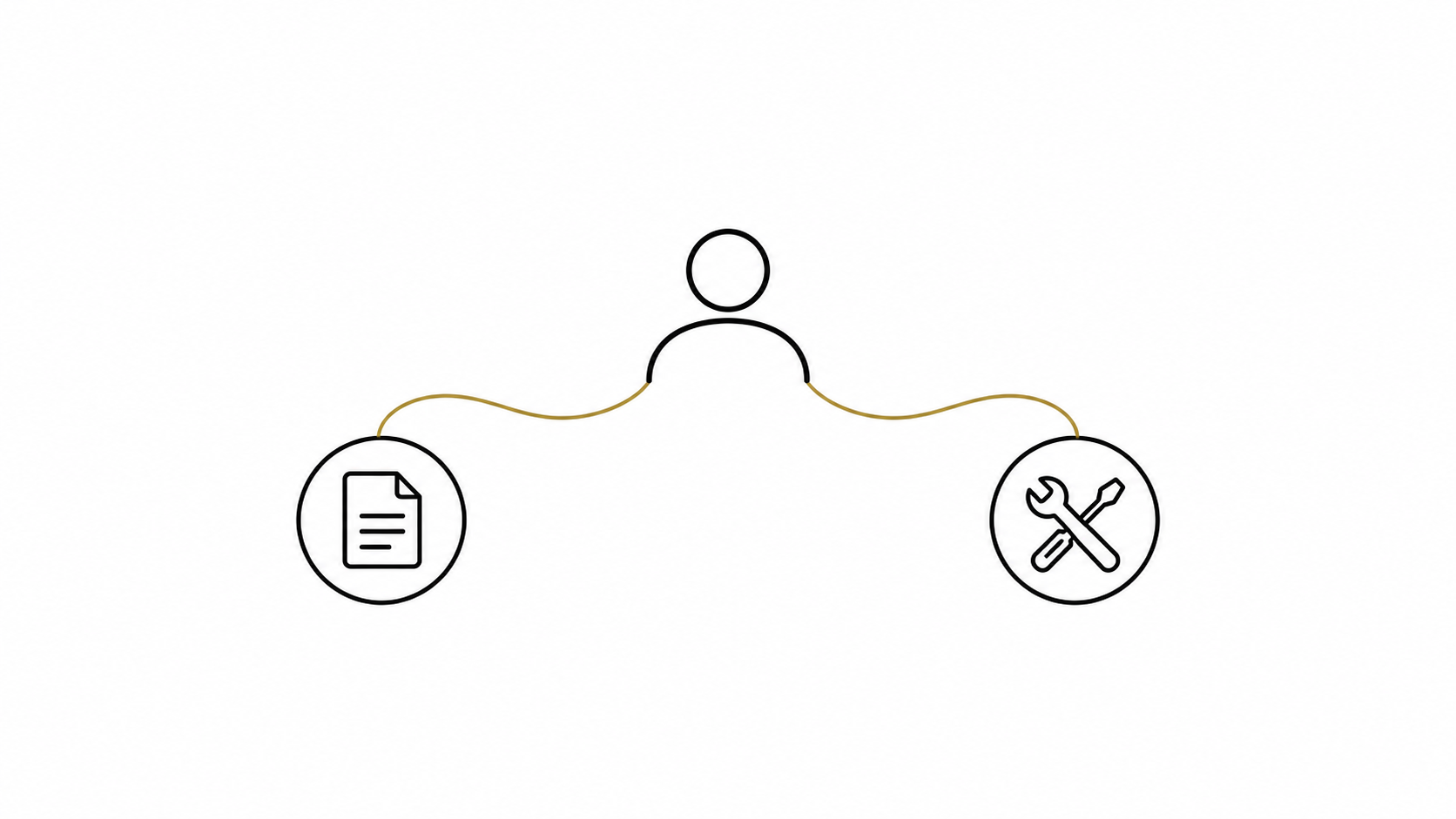
The progression is easier to follow when each part has a clear job:
- A prompt tells the AI what to do.
- Context gives it the relevant information and constraints.
- A harness brings together tools, context, prompts and the right model for the task.
- An agentic workflow connects tasks using AI agents, with people overseeing the work and approving every action.
A recommendation to update a page is one output. Making that change requires approval. Publishing the revised page requires approval of that specific action too.
Anthropic's explanation of workflows and AI agents makes a useful distinction between predefined sequences and systems where the model chooses how to proceed. The team still needs to decide how much freedom the task requires and where review belongs.
Where brands are in their use of AI
The next step depends on how a team works today.
Not yet using AI
Choose a recurring task with clear inputs and someone who can judge the result. A draft based on an approved brief is a manageable place to start.
Before choosing the tool, agree:
- What should the output help someone do?
- Which information can the AI use?
- What will the reviewer check?
Using generic AI
The team may already use AI for ideas, summaries or drafts. The work now is to make those tasks consistent.
Check which brand facts should accompany a brief, which claims need a source and who maintains the reference material. Then test whether the same method works across several pieces of work.
Running an AI programme
When several workflows are in use, ownership and access need attention:
- Who can change the instructions?
- Which systems can each workflow access?
- What happens when sources disagree or a check fails?
- Who approves the next action and checks that it completed correctly?
These starting points can differ within one brand. The reporting team may have an established workflow while the content team is trying AI for the first time. They describe the work, rather than a score for the whole organisation or a set of product tiers.
How AI affects marketing and the consumer experience
The person reading a product page needs an answer they can use. That gives us a practical standard for AI-assisted content.
I would ask the same questions of any draft:
- Does it answer the reader's question?
- Can we support the claims?
- Does it explain differences that matter to the decision?
- Is it clear about anything the reader still needs to check?
Calling every option "flexible" and "easy to use" gives a buyer little help. A useful comparison explains what each option can do, where it falls short and which requirements it suits.
AI can help prepare and organise the material. A person needs to check the evidence and decide whether the article helps its reader.
Google Search's guidance on generative AI content calls for accuracy, quality and relevance, including checks on titles and descriptions. Those checks are part of publishing useful work.
A simple marketing example
Consider an email campaign for a new product launch.
- The marketer chooses the audience, the main benefit and what the reader should do next. They provide approved product facts and brand guidance.
- With the marketer's approval, an AI agent drafts subject lines and the email copy.
- The marketer checks the message, claims and tone, then approves the final email before it is sent.
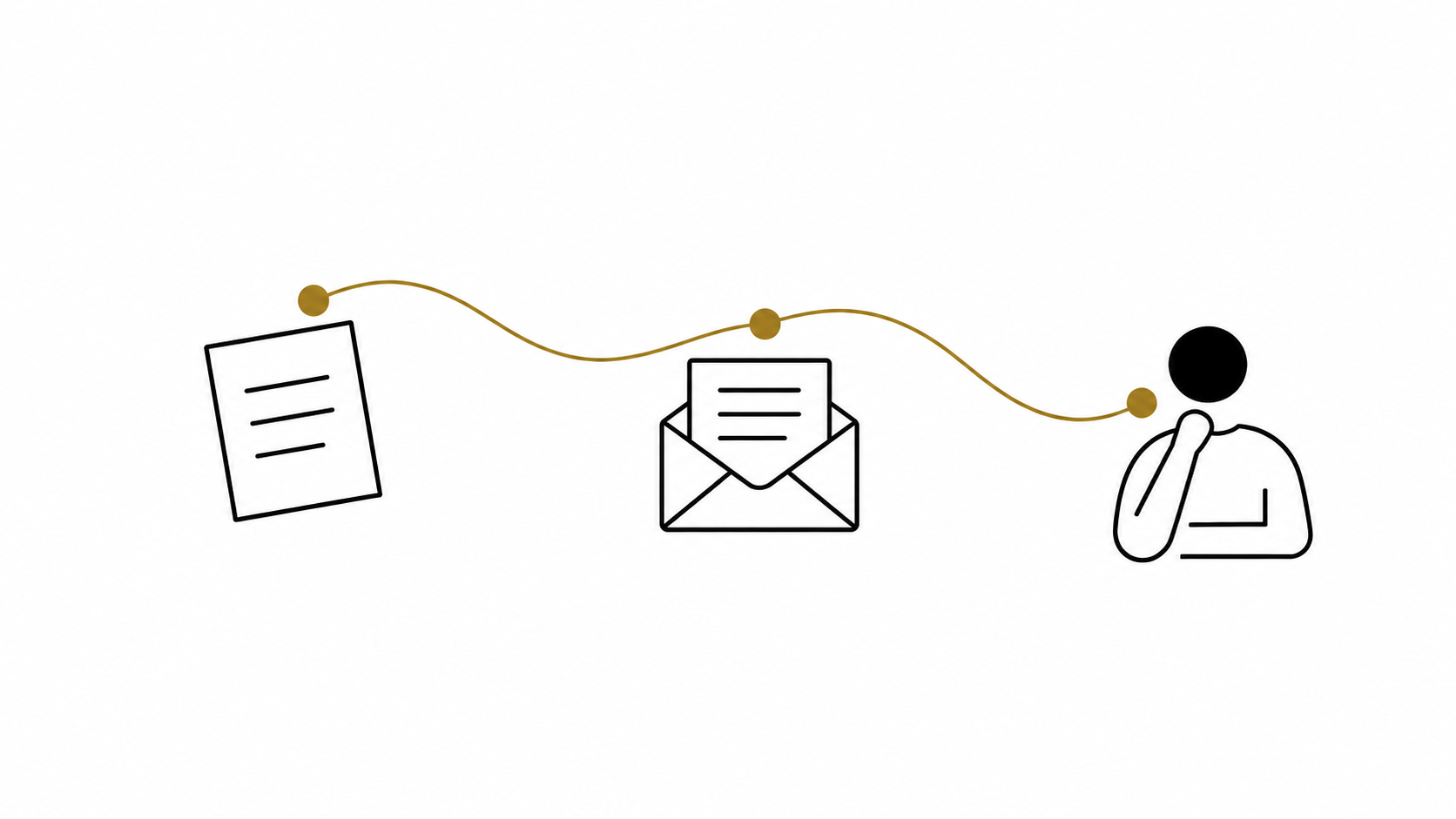
The review is straightforward. Is the benefit clear? Is it relevant to this audience? Does the reader know what to do next?
The team can assess the campaign against its goal, such as qualified enquiries or sales.
This puts Intelligence + Tradecraft into practice. AI helps prepare the work. Marketing expertise shapes the message and how its impact is measured.
How this is shaping Aurum AI Labs
The client POCs and these three dots are shaping how we are building Aurum AI Labs.
People bring the marketing expertise and judgement. AI agents support agreed tasks with the relevant context and tools. People approve every action.
Our company explanation puts it plainly:
Your marketing team, supported by AI. We take care of repetitive work so you can focus on your goals.
The work starts with a specific marketing need and an agreed way to assess the result. That gives the team something concrete to test, improve and measure.
Explore Aurum AI Labs.
Related Posts
Maintaining Context in Long AI Builds
Your AI does not forget. You are just not giving it the right memory. A four-layer system for maintaining context across every session.
Read more →Not All Models Are Built for Your Task
Using the most powerful model for every task is like hiring a consultant for every decision — a practical framework for matching models to tasks.
Read more →Why Marketing Breaks: The Intelligence and Tradecraft Gap
Not a creative problem. Not a technology problem. Not a data problem. It is an intelligence and tradecraft problem
Read more →