

Product Packaging Perfection: Why the Box (and What’s Inside) Counts
Packaging is more than just a box – it's the first impression, a silent salesperson, and a critical part of what makes a product feel good.
Summary Points
- Packaging Matters More Than You Think – It’s the first impression, shaping perception before the product is even used
- Psychology of Good Packaging – Influences trust, value, and desire. Thoughtful design enhances the unboxing experience
- Case Study: Phool Incense – Simple yet intentional packaging with aesthetic appeal, added utility, & brand storytelling
- Packaging as a Silent Salesperson – Builds anticipation (like Apple) and reinforces brand quality before product use
Reading time: 4 minutes
Introduction: Judging the Book (and the Box)
We've all heard the saying, "Don't judge a book by its cover." It's a nice thought. I'd like you to focus on the substance, not the superficial. But I'm gonna be plainspoken here: in the world of products, the packaging? Yeah, it's a massive part of the book. It's not just a box you toss aside; it's the first handshake, the initial impression, and a critical piece of what makes a product feel good, not just be good.
Think about it for a second. You buy something, bring it home, and before you even get to the item itself, you interact with its packaging. How does that interaction feel?
Beyond the Surface: The Psychology of the Box
Is the box easy to open, or do you need scissors and the patience of a saint? Does it look and feel nice in your hands – is the material pleasant, the design appealing? Does the packaging reveal something about what's inside, or perhaps even the company that made it?
This isn't just about looking pretty on a shelf, though that's part of it. There's some real, practical psychology at play here. Good packaging can subtly influence how we perceive the product inside. It can make something feel more valuable, more trustworthy, more desirable. It sets an expectation before the product even sees the light of day. It's the promise of what's to come.
Case Study: The Thoughtfulness of Phool Packaging
Let's look at a concrete example. I recently came across the Phool incense packaging, and it does a great job illustrating these points.
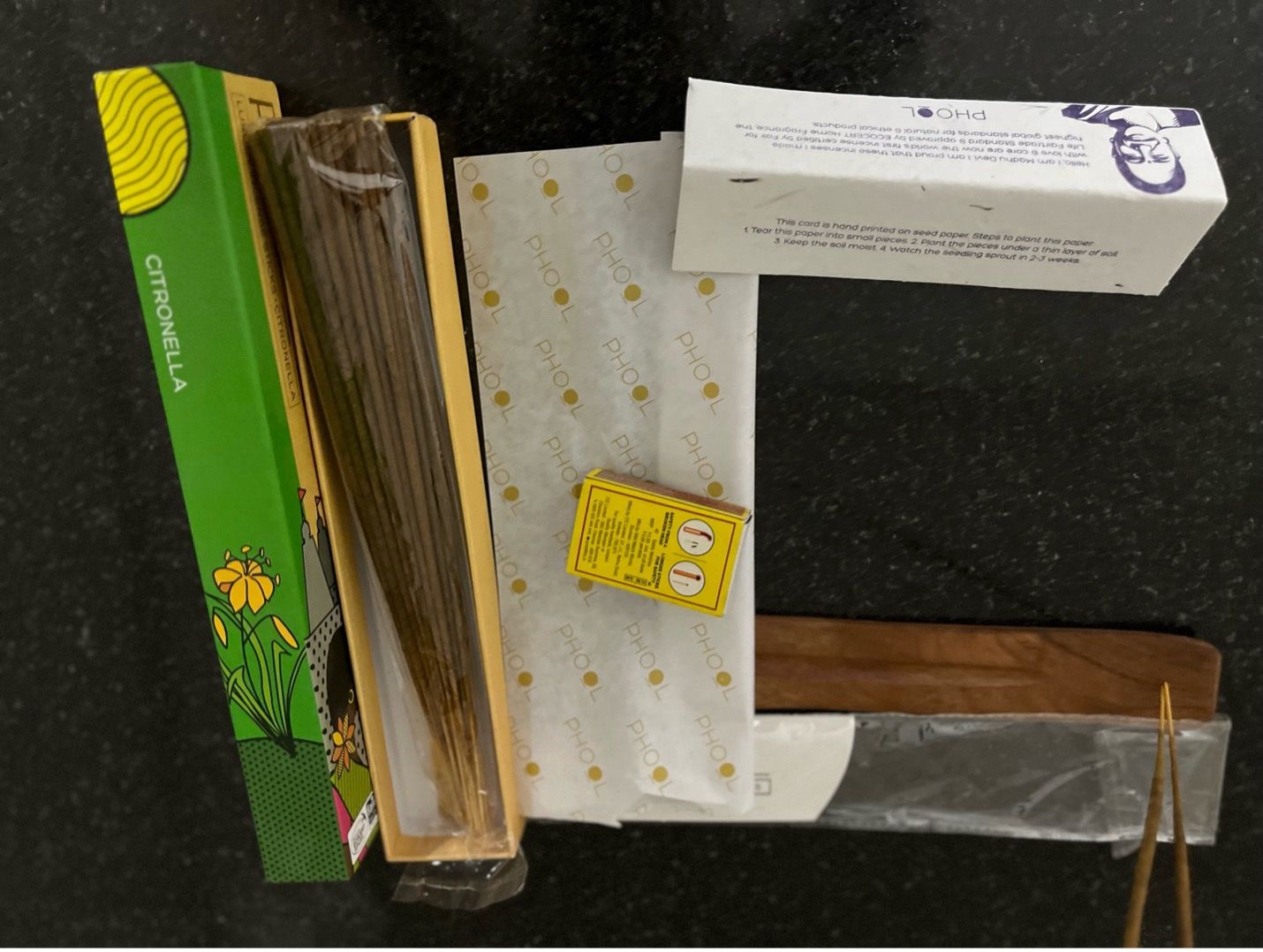
Looking at the image, you see the outer box – it's simple, with a natural-feeling design and illustrations, such as the citronella flower shown in this one. But it's what's inside, and the way it's presented, that adds layers. The incense sticks are neatly bundled, not just rattling around. A small, separate holder is included – a practical addition. And there's a little card with text on it – likely explaining the product, maybe its interesting origin (made from temple flowers, which Phool is known for), or how to use it safely. Even the inner wrapping paper has the PHOOL logo subtly printed on it.
This packaging isn't overly flashy, but it's incredibly thoughtful. It does several things well:
- Aesthetic Appeal: The design is simple, clean, and subtly hints at natural ingredients, aligning with what one would expect from incense.
- Enhanced Experience: Including the holder and informational card adds tangible value, making the product easier and more meaningful to use. It demonstrates that the company considered the entire user experience, not just the product itself.
- Brand Story: Through these components and the design, it subtly communicates a sense of care, attention to detail, and potentially sustainability (given Phool's mission).
Packaging as a Silent Salesperson and Experience Enhancer
This isn't just about protecting the product during shipping or on the shelf; it's also about ensuring its quality. It's about enhancing the product experience from the very first interaction. Think about brands like Apple – their minimalist, carefully designed packaging makes the act of opening a new device feel like an event in itself. The packaging builds anticipation and reinforces the premium nature of the brand before you even turn the device on.
Packaging acts as a silent salesperson, constantly communicating from the moment someone sees it, whether that's on a physical store shelf or a digital product page online. It plays a key role throughout the entire customer journey. It influences that crucial first impression, significantly impacts customer satisfaction during the unboxing process, and can even contribute to long-term brand loyalty.
So, while the product itself is, of course, paramount – the thing that has to deliver on its promise – the packaging is far from just an afterthought. It's an integral part of the overall product experience and, often, a crucial factor in whether the customer perceives a product as truly "good."
Areas for Refinement: Polishing the Box
Even excellent packaging, such as the Phool example, can have areas for refinement and improvement. Based on some feedback I've encountered, a couple of points stand out as places where a little polish could make a difference:
Language and Colour Consistency: While some variety can be beneficial, ensuring a cohesive look and feel in the language used is crucial. Colour choices across different product lines help customers instantly recognise and trust the brand, regardless of which product they select. Consistency builds confidence.
Enhancing Cultural Resonance: For products with cultural roots, using local language names for fragrances or elements, where appropriate and authentic, could deepen the connection for consumers and add another layer of clarity and cultural storytelling.
These aren't major flaws, but relatively minor details that, if addressed, could enhance an already thoughtful packaging approach, making it even more impactful and resonant with customers.
Conclusion: The Humble Power of the Package
Ultimately, the lesson here is clear: packaging matters. It's integral to the product experience. Whether it's achieved through sustainable materials, thoughtful design, cultural storytelling, or just clear labelling and practical additions like a holder, good packaging is about making a connection with the customer before they even use the product. It sets the stage, builds anticipation, and reinforces value. It's a humble part of the overall product experience, yes, but one with surprising power.
Related Posts
Why Marketing Breaks: The Intelligence and Tradecraft Gap
Not a creative problem. Not a technology problem. Not a data problem. It is an intelligence and tradecraft problem
Read more →Google-Ads Evolution: Adapting to Social Habits and the Conversational AI Shift
Google Ads is evolving beyond keywords, driven by social media habits and the rise of conversational AI.
Read more →